
Footwear is more than just a daily necessity it plays a vital role in comfort, safety, and long-term health. Whether navigating demanding work environments, managing outdoor tasks, or handling everyday activities, the right boots & shoes can significantly impact performance and well-being. Poor footwear choices may lead to fatigue, injury, or discomfort, while well-selected options support stability, protection, and efficiency.
This article explores the importance of boots and shoes, explains key types and features, and offers practical guidance on selecting and maintaining footwear for various needs. The goal is to provide clear, educational insights that help readers make informed decisions without focusing on sales or promotions.
Why Boots & Shoes Matter More Than You Think
Footwear directly affects posture, balance, and movement. In work settings—especially those involving manual labor, outdoor activity, or prolonged standing—proper boots and shoes reduce strain and protect against hazards. Even in casual or household use, supportive footwear helps prevent long-term foot problems.
Key benefits of appropriate boots and shoes include:
- Improved comfort during long hours of wear
- Protection from environmental hazards
- Reduced risk of slips, falls, and injuries
- Better support for joints and muscles
- Increased productivity and endurance
Understanding how footwear functions in different environments is the first step toward choosing the right pair.
Understanding the Difference Between Boots and Shoes
Although often grouped together, boots and shoes serve different purposes and offer varying levels of protection and support.
Boots
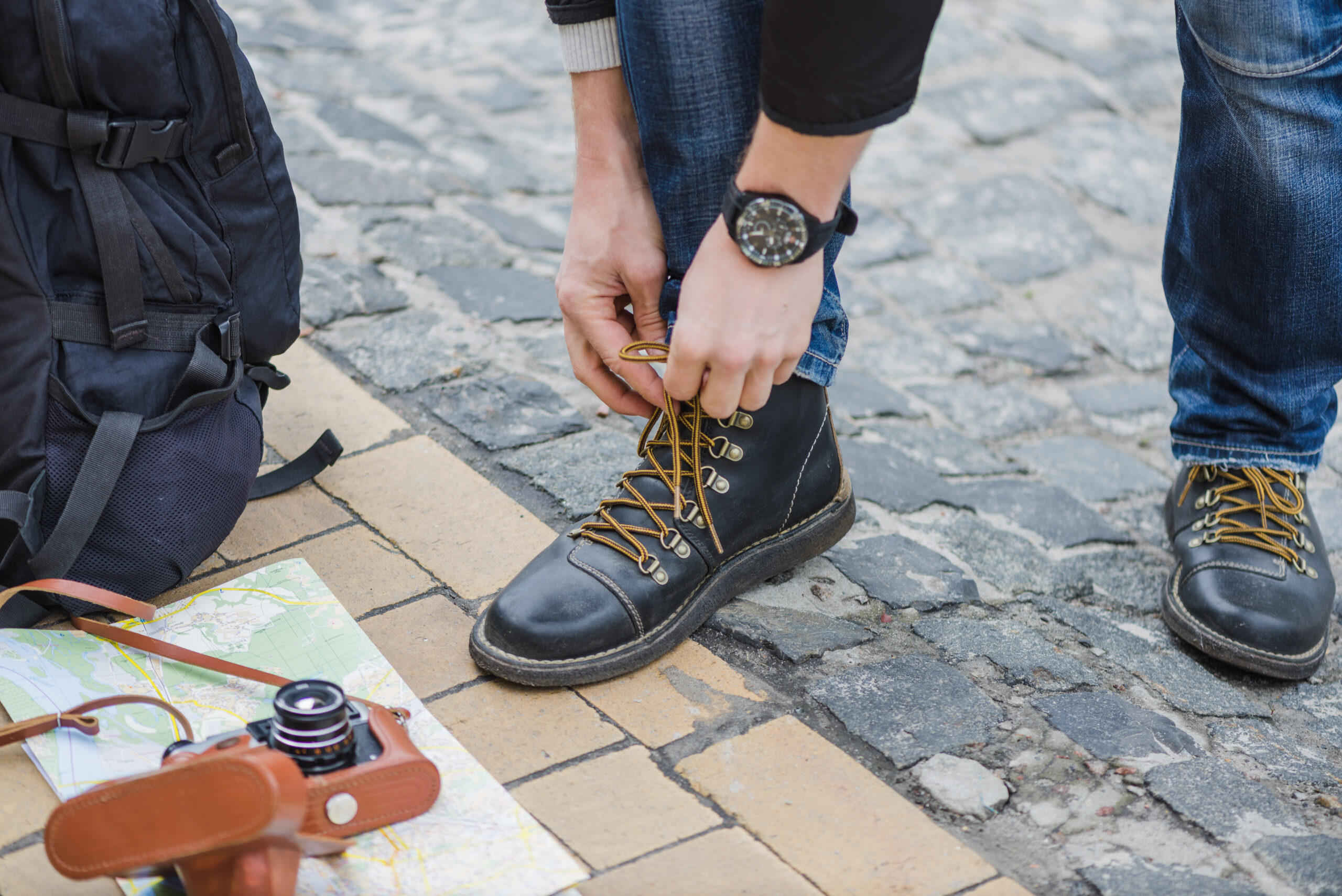
Boots typically extend above the ankle and are designed for durability and protection. They are commonly used in work, outdoor, and rugged environments. Key advantages include:
- Enhanced ankle support
- Greater protection from debris, moisture, and uneven terrain
- Thicker soles for impact absorption
- Compatibility with safety features like steel or composite toes
Boots are frequently worn in construction, farming, landscaping, and industrial settings.
Shoes
Shoes usually sit below the ankle and prioritize flexibility and lightweight comfort. They are ideal for:
- Indoor work environments
- Light outdoor activity
- Daily errands and casual wear
- Jobs requiring frequent movement
Many modern shoes incorporate safety or performance features while maintaining a streamlined design.
Common Types of Boots & Shoes
Understanding footwear categories helps match the right option to the task at hand.
1. Work Boots
Designed for demanding conditions, work boots often include reinforced toes, slip-resistant soles, and durable materials. They are built to withstand heavy use and harsh environments.
2. Safety Shoes
Safety shoes provide many of the same protections as work boots but in a lighter, lower-profile design. They are common in warehouses, factories, and light industrial settings.
3. Outdoor and Utility Boots
These boots are suitable for farming, gardening, hiking, and outdoor maintenance. Features often include water resistance, aggressive tread patterns, and insulation.
4. Casual and Everyday Shoes
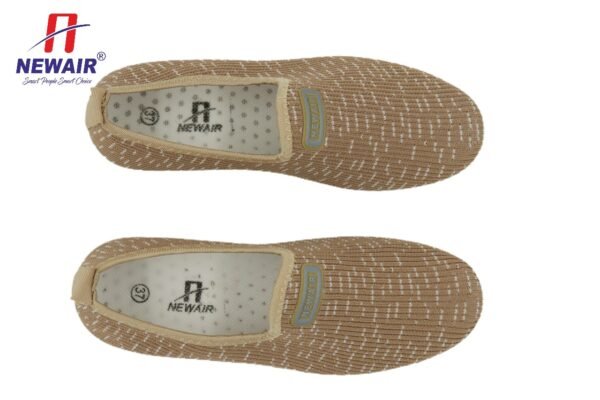
Intended for comfort and versatility, casual shoes are designed for daily wear. They focus on breathability, cushioning, and ease of movement.
5. Weather-Specific Footwear
Certain boots and shoes are tailored for specific conditions, such as insulated winter boots or waterproof footwear for wet environments.
Key Features to Look for in Quality Boots & Shoes
When evaluating boots and shoes, several features determine performance and comfort.
1. Fit and Sizing
A proper fit is essential. Ill-fitting footwear can cause blisters, foot pain, and joint strain. Key considerations include:
- Adequate toe room
- Secure heel placement
- Comfortable arch support
- Space for thick socks if needed
Feet can change over time, so periodic measurement is recommended.
2. Material Quality
Common materials include leather, synthetic fabrics, rubber, and composite blends. Each offers different benefits:
- Leather: Durable and supportive
- Synthetic materials: Lightweight and breathable
- Rubber: Waterproof and slip-resistant
The environment and usage frequency should guide material choice.
3. Sole Construction
The sole impacts traction, comfort, and longevity. Look for:
- Slip-resistant outsoles
- Shock-absorbing midsoles
- Flexible yet supportive designs
Good soles reduce fatigue and improve stability on uneven surfaces.
4. Safety Features
Depending on the setting, essential safety elements may include:
- Reinforced toe protection
- Puncture-resistant plates
- Electrical hazard resistance
- Oil- and slip-resistant tread
Not all jobs require all features, but selecting footwear aligned with risks improves safety.
5. Comfort Enhancements
Modern boots and shoes often include comfort-focused design elements such as cushioned insoles, moisture-wicking linings, and ergonomic shaping. These features support long-term wear without discomfort.
Choosing the Right Boots & Shoes for Your Needs
Selecting the right footwear begins with understanding how and where it will be used.
Work Environment Considerations
Ask questions such as:
- Will I be standing or walking for long periods?
- Are there hazards like heavy objects, sharp debris, or wet surfaces?
- Do I need insulation or ventilation?
Answering these helps narrow down suitable options.
Climate and Seasonal Needs
Footwear should align with weather conditions. Breathable materials work well in warm climates, while insulated and waterproof designs are better for cold or wet environments.
Frequency of Use
Daily-use boots and shoes should emphasize durability and comfort, while occasional-use footwear may prioritize versatility.
Maintaining Boots & Shoes for Longevity
Proper care extends the life of footwear and maintains comfort and safety.
1. Regular Cleaning
Remove dirt, mud, and debris after use. This prevents material breakdown and preserves appearance.
2. Drying Properly
Wet footwear should air-dry naturally. Avoid excessive heat, which can damage materials and adhesives.
3. Inspect for Wear
Check soles, stitching, and support components regularly. Worn tread or damaged structure can compromise safety.
4. Rotate Footwear
Alternating between pairs allows shoes and boots to rest and recover, reducing moisture buildup and wear.
5. Replace When Necessary
Even well-maintained footwear eventually loses support. Replacing worn boots and shoes prevents discomfort and injury.
The Role of Boots & Shoes in Health and Safety
Footwear affects more than just feet—it influences posture, balance, and joint health. Supportive boots and shoes can reduce:
- Back and knee pain
- Foot fatigue
- Risk of slips and falls
- Long-term musculoskeletal issues
For workers and individuals who spend long hours on their feet, investing in appropriate footwear is an investment in overall health.
Conclusion
Boots & shoes are essential tools that support daily activity, workplace safety, and personal comfort. From heavy-duty work boots to lightweight everyday shoes, selecting the right footwear requires understanding your environment, tasks, and physical needs. By focusing on fit, materials, safety features, and maintenance, individuals can ensure their footwear performs reliably over time.
Informed footwear choices help protect the body, improve productivity, and enhance quality of life—making boots and shoes far more than just something you wear.
FAQs About Boots & Shoes
1. How often should boots and shoes be replaced?
Replacement depends on usage, but most work footwear should be replaced when soles lose traction, support weakens, or structural damage appears—typically every 6–12 months for heavy use.
2. Are work boots necessary for all labor-intensive jobs?
Not always. Some environments may be suitable for safety shoes or durable casual footwear. The level of protection needed depends on workplace hazards.
3. How can I tell if boots or shoes fit properly?
A proper fit includes snug heel support, enough toe room to move comfortably, no pressure points, and stable arch support.
4. What is the difference between steel toe and composite toe footwear?
Steel toe offers maximum impact protection, while composite toe is lighter and non-metallic, often preferred for comfort and temperature resistance.
5. Can boots and shoes affect posture and joint health?
Yes. Footwear with poor support can contribute to foot pain, knee strain, and back issues. Supportive designs help maintain proper alignment.
Explore More Category