
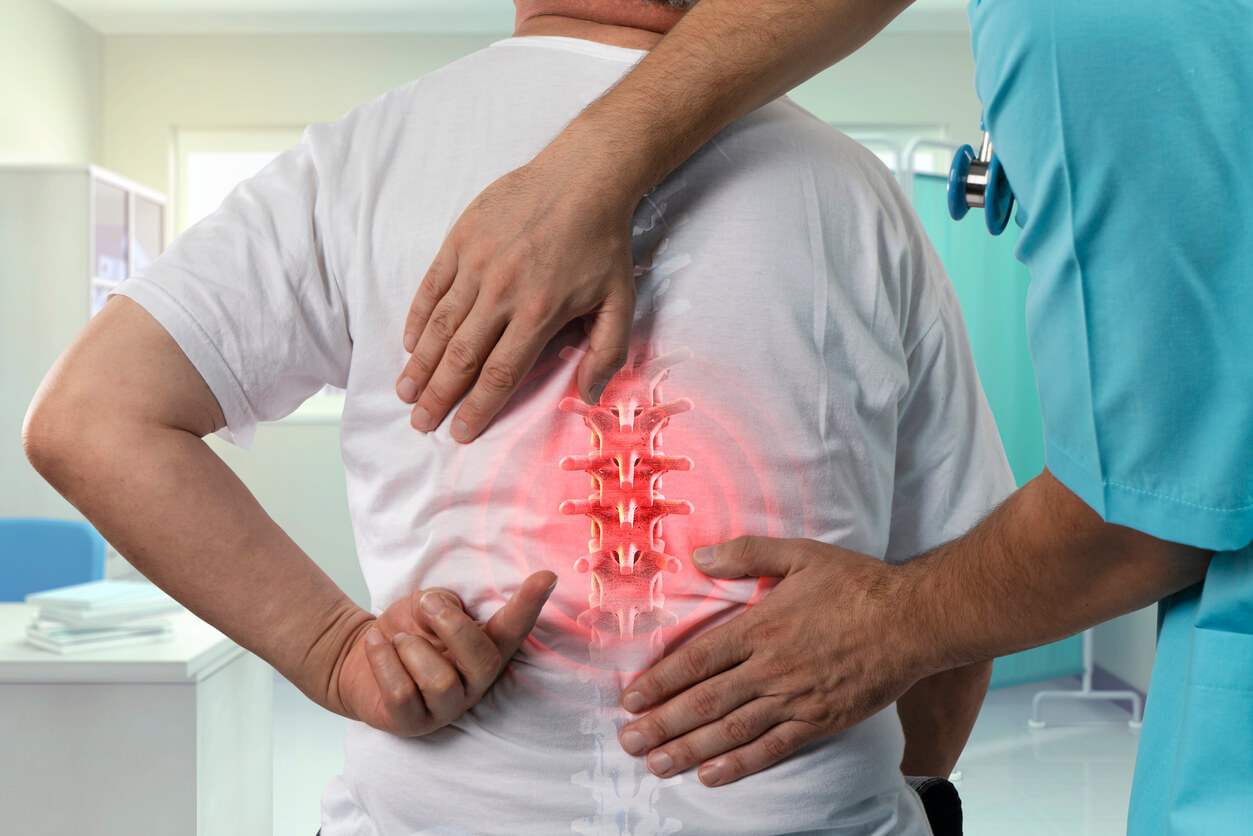
Back pain is one of the most common health complaints among adults. It can begin suddenly after lifting something heavy, or it may develop gradually due to poor posture, repetitive strain, or aging. While many people experience occasional back discomfort that improves with rest, persistent or worsening pain often requires professional care.
For individuals dealing with ongoing discomfort, finding the right back pain treatment in St. Louis can make a significant difference in restoring mobility and improving quality of life. Experienced spine specialists in St. Louis focus on diagnosing the root cause of pain and creating personalized treatment plans that help patients recover safely and effectively. Understanding the causes of back pain and knowing when to seek medical care are the first steps toward long-term relief.
Common Causes of Back Pain
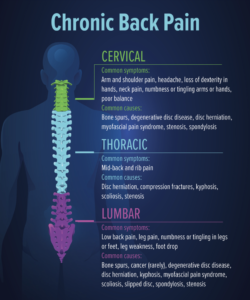
Back pain can develop for many different reasons. Some cases are related to muscle strain, while others involve structural problems within the spine. Identifying the exact cause is essential for choosing the most effective treatment.
Muscle or Ligament Strain
Muscle strains often occur after lifting heavy objects, sudden twisting movements, or overuse during physical activity. These injuries typically cause localized pain and stiffness.
Herniated Disc
Spinal discs act as cushions between the vertebrae. When a disc bulges or ruptures, it can press on nearby nerves and cause pain that may spread into the legs or arms.
Degenerative Disc Disease
As people age, spinal discs naturally lose hydration and flexibility. This process can lead to inflammation, stiffness, and chronic back discomfort.
Sciatica
Sciatica occurs when the sciatic nerve becomes compressed or irritated. This condition often causes sharp pain that travels from the lower back down the leg.
Spinal Stenosis
Spinal stenosis refers to narrowing of the spinal canal, which can place pressure on the spinal cord or nerves.
Each of these conditions may require a different approach to treatment, which is why evaluation by experienced spine specialists in St. Louis is important for patients with persistent symptoms.
Symptoms That May Indicate a Serious Problem
Occasional soreness may improve within a few days, but certain symptoms suggest that medical evaluation is necessary.
You should consider seeking back pain treatment in St. Louis if you experience:
- Pain lasting longer than several weeks
- Pain that spreads into the legs or arms
- Numbness or tingling sensations
- Muscle weakness
- Difficulty standing or walking
- Pain that disrupts sleep or daily activities
These symptoms may indicate nerve compression or other structural problems that require specialized care.
How Spine Specialists Diagnose Back Pain
Accurate diagnosis is the foundation of effective treatment. When patients visit spine specialists in St. Louis, doctors typically perform a thorough evaluation to determine the underlying cause of the pain.
Medical History and Physical Examination
The specialist reviews the patient’s symptoms, medical history, and lifestyle factors. They also evaluate posture, flexibility, and muscle strength.
Neurological Evaluation
Testing reflexes, sensation, and muscle strength helps determine whether nerves are being compressed.
Imaging Studies
Diagnostic imaging such as X-rays, MRI scans, or CT scans can reveal structural problems within the spine, including disc damage, arthritis, or spinal narrowing.
This comprehensive evaluation allows doctors to develop a treatment plan tailored to the patient’s specific condition.
Non-Surgical Back Pain Treatment Options
Many patients find relief through conservative treatments that do not require surgery. Spine specialists often recommend these approaches before considering more advanced procedures.
Physical Therapy
Physical therapy focuses on strengthening the muscles that support the spine and improving flexibility. Targeted exercises help stabilize the spine and reduce pressure on injured structures.
Pain Management Techniques
Certain medications may help reduce inflammation and relieve nerve irritation. Pain management strategies may also include heat therapy, ice therapy, and lifestyle modifications.
Spinal Injections
In some cases, doctors may recommend epidural steroid injections or nerve block injections. These treatments deliver medication directly to the affected area to reduce inflammation and relieve pain.
Lifestyle and Posture Improvements
Poor posture and prolonged sitting can place stress on the spine. Spine specialists often recommend ergonomic adjustments and regular movement to support recovery.
For many patients, these treatments significantly reduce pain and improve daily function.
When Surgery May Be Recommended
While most back pain improves with non-surgical care, surgery may be recommended when conservative treatments fail to provide relief.
Spine specialists may consider surgery if:
- Pain persists despite several months of treatment
- Nerve compression causes weakness or loss of sensation
- Structural problems significantly affect mobility
- Imaging tests show severe disc or spinal damage
Advances in medical technology have made many spinal procedures less invasive than in the past. Minimally invasive techniques allow surgeons to treat the problem while preserving surrounding tissues, which often leads to faster recovery.
Preventing Future Back Pain
Maintaining good spinal health is essential for preventing recurring pain. Many everyday habits can help reduce stress on the spine and protect against injury.
Helpful strategies include:
- Maintaining proper posture when sitting or standing
- Strengthening core muscles through regular exercise
- Avoiding prolonged sitting without movement
- Using correct lifting techniques
- Maintaining a healthy body weight
These preventive steps can help support long-term spinal health and reduce the risk of chronic pain.
Final Thoughts
Back pain can affect nearly every aspect of daily life, from work and physical activity to sleep and overall well-being. While mild discomfort may improve with rest and self-care, persistent or worsening pain should not be ignored.
Seeking professional back pain treatment in St. Louis allows patients to receive an accurate diagnosis and personalized care plan. Experienced spine specialists in St. Louis focus on identifying the root cause of pain and guiding patients toward effective treatment options. With the right medical care and lifestyle adjustments, many people are able to regain mobility, reduce pain, and return to the activities they enjoy.
FAQs
When should I see a spine specialist for back pain?
If back pain lasts longer than a few weeks, spreads to the legs, or causes numbness or weakness, it is best to consult a spine specialist.
What are the most common causes of back pain?
Common causes include muscle strain, herniated discs, degenerative disc disease, spinal stenosis, and sciatica.
Do all back pain cases require surgery?
No. Most cases can be treated with non-surgical options such as physical therapy, medications, and spinal injections.
How do spine specialists diagnose back pain?
Doctors typically use physical examinations, neurological testing, and imaging studies such as MRI scans to identify the cause of pain.
Can lifestyle changes help prevent back pain?
Yes. Maintaining good posture, exercising regularly, and using proper lifting techniques can help protect the spine and reduce future pain.
Read More : How Coding Precision Influences Payment Outcomes in Chronic Wound Treatment