

Dental health problems can sometimes develop gradually, making them easy to ignore until the damage becomes serious. One treatment often recommended to restore and protect a damaged tooth is a dental crown. However, many patients wonder whether they truly need one or if there are other options available. Understanding the signs that indicate a crown may be necessary can help you make informed decisions about your oral health.
Visiting a professional for a proper diagnosis is always the best approach. A qualified dental greensboro professional can evaluate the condition of your tooth and recommend the most suitable treatment.
What Is a Dental Crown?
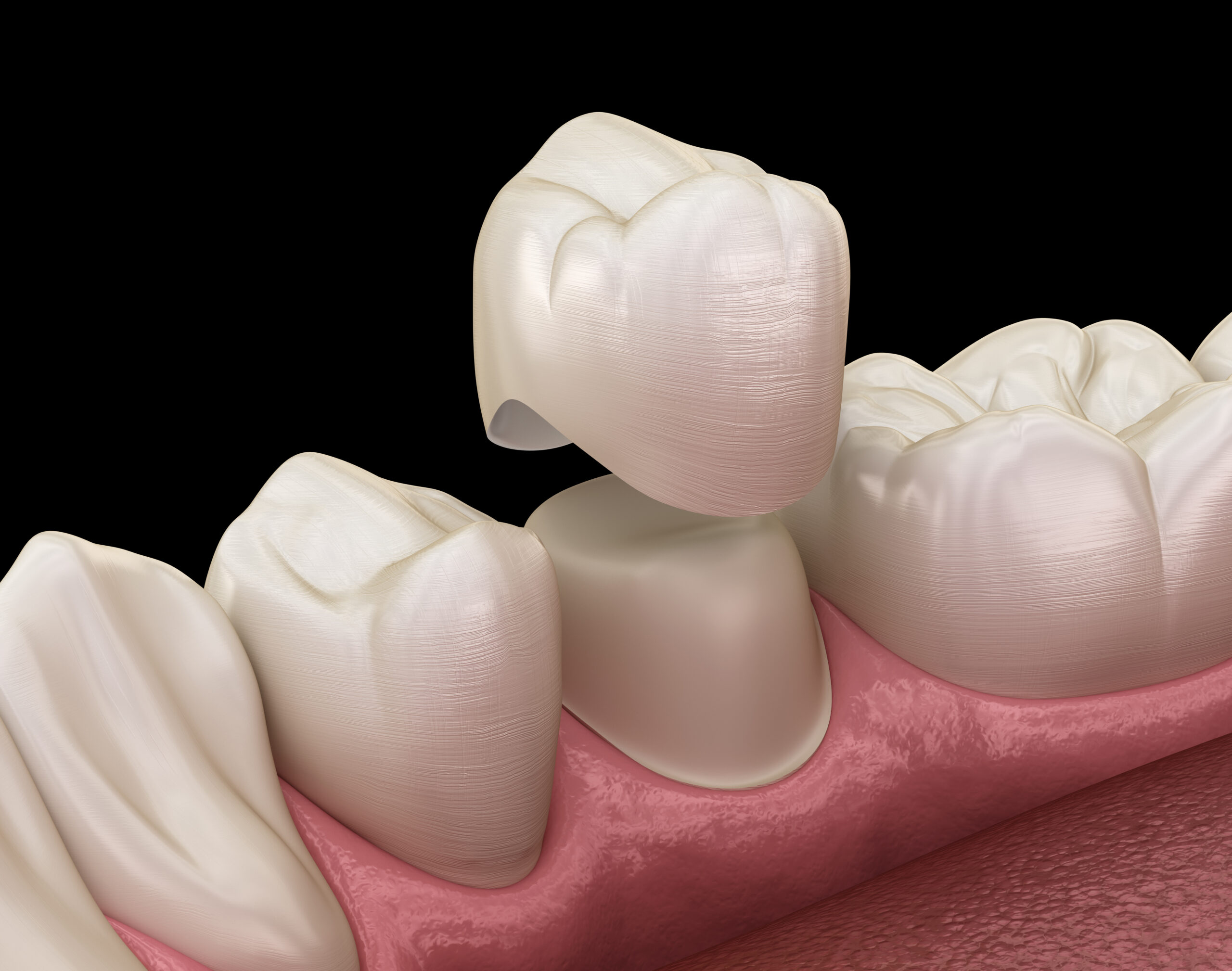
A dental crown is a custom-made cap that is placed over a damaged or weakened tooth. Its purpose is to restore the tooth’s shape, size, and strength while improving its appearance. Crowns are commonly made from materials such as porcelain, ceramic, or metal, and they are designed to blend naturally with your existing teeth.
Once placed, a crown fully covers the visible portion of the tooth above the gum line, providing long-term protection and stability.
Signs You May Need a Dental Crown
1. A Severely Damaged or Cracked Tooth
Teeth can crack or fracture due to accidents, biting hard foods, or long-term wear. If the damage is extensive, a crown can help hold the tooth together and prevent further breakage.
Without proper protection, a cracked tooth may worsen and eventually require more complex treatment.
2. Large or Failing Fillings
When a tooth has a very large filling, there may not be enough natural structure left to support it. Over time, the filling can weaken the tooth and make it more vulnerable to fractures.
Dentists often recommend dental crowns greensborough patients can rely on to provide additional strength and long-term durability.
3. After Root Canal Treatment
A tooth that has undergone root canal therapy can become more fragile over time. Because the nerve and blood supply are removed during the procedure, the tooth may become brittle.
Placing a crown over the treated tooth helps protect it from cracking and restores normal chewing function.
4. Severe Tooth Wear
Teeth can gradually wear down due to grinding (bruxism), acid erosion, or aging. In cases where significant enamel loss occurs, crowns may be used to rebuild the tooth structure and restore proper bite alignment.
5. Cosmetic Concerns
Crowns are not only used for restorative purposes—they can also improve the appearance of teeth that are severely discolored, misshapen, or uneven.
By covering the visible surface of the tooth, a crown can create a more balanced and natural-looking smile.
Benefits of Dental Crowns
Dental crowns provide several important benefits, including:
-
Strengthening weakened teeth
-
Restoring normal chewing ability
-
Improving the appearance of damaged teeth
-
Protecting teeth after major procedures
-
Offering long-lasting durability
With proper care, crowns can last many years and significantly improve both oral health and comfort.
Caring for a Dental Crown
Although crowns are durable, they still require proper maintenance. Maintaining good oral hygiene helps protect both the crown and the surrounding gum tissue.
Helpful care tips include:
-
Brushing twice daily with fluoride toothpaste
-
Flossing regularly to remove plaque
-
Avoiding chewing extremely hard objects
-
Attending regular dental check-ups
Routine visits allow your dentist to ensure that the crown remains secure and that the underlying tooth stays healthy.
When to See a Dentist
If you experience persistent tooth pain, sensitivity, visible cracks, or difficulty chewing, it may be time to schedule a dental examination. Early evaluation helps prevent further damage and allows your dentist to determine whether a crown or another treatment option is appropriate.
FAQ
1. How long does a dental crown last?
With proper care, most dental crowns can last between 10 and 15 years or even longer.
2. Is getting a dental crown painful?
The procedure is typically performed under local anesthesia, making it comfortable for most patients.
3. Can a crown look natural?
Yes. Modern crowns are designed to match the color and shape of natural teeth.
4. How long does the crown procedure take?
Most treatments require two visits—one for preparation and impressions, and another for crown placement.
5. Can a crown fall off?
Although uncommon, crowns can loosen over time. If this happens, contact your dentist for repair or replacement.
Understanding the warning signs of tooth damage can help you seek treatment before problems worsen. Dental crowns are a reliable way to restore strength, function, and appearance to compromised teeth, allowing you to maintain a healthy and confident smile.
Explore More : What is rTMS Treatment? Benefits & Side Effects?